
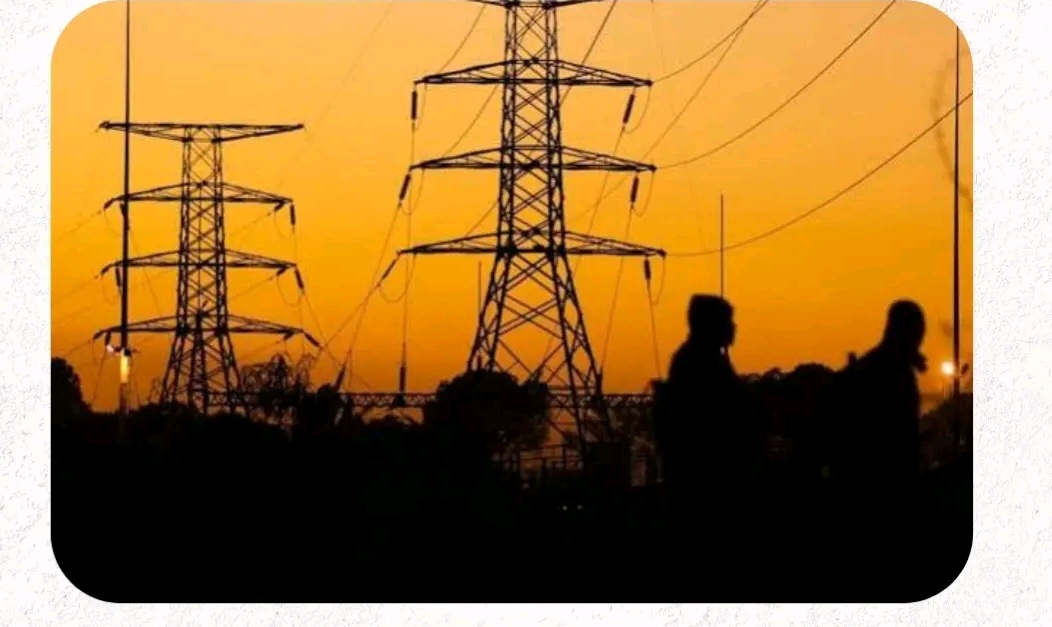
housands of Gambians took to the streets around the capital, Banjul, overnight Wednesday into Thursday to protest prolonged electricity outages that have disrupted homes, businesses and livelihoods across the country.
According to a report by AFP, protesters gathered in several communities, including Sukuta, Manduar, Kerr Serign and Jambur, while youths reportedly blocked roads and set fires at major junctions.
Police also used tear gas to disperse protesters in Bakau, Tanji and Tujereng.
The demonstrations came after electricity cuts lasting as long as 48 hours in some areas, leaving residents without power during the hot season.
The outages have reportedly caused food to spoil, forced some businesses to close and disrupted sleep for residents.
Ousainou Jallow, a resident of Bakau, told AFP that his community had also gone without water for 24 hours before the protest. He said protesters were forced to disperse after paramilitary police began firing tear gas.
The protests have also affected fishing communities, where residents in Tanji and Tujereng said the lack of electricity has prevented them from producing enough ice to preserve their catches. The disruption has therefore affected both household activities and the income of people whose livelihoods depend on electricity.
The latest demonstrations followed another round of protests on Monday, when residents took to the streets and chanted against President Adama Barrow. Barrow is seeking a third term in the December presidential election.
The government has promised to increase electricity generation.
On Tuesday, Barrow said a new 24-megawatt generating machine at the Brikama power plant was in the final stage of installation and would help improve electricity supply from next month.
He also announced plans for a 50-megawatt solar power plant in Soma as part of efforts to increase the country’s electricity capacity.
The National Water and Electricity Company (NAWEC) said in August that increased electricity demand, driven mainly by high temperatures, and constraints on electricity imports were responsible for the blackouts. Its managing director also said climate change and the war in the Middle East had contributed to the situation.
The fresh protests have increased pressure on the Gambian government to address the electricity crisis, with the demonstrations coming only months before the December election.