
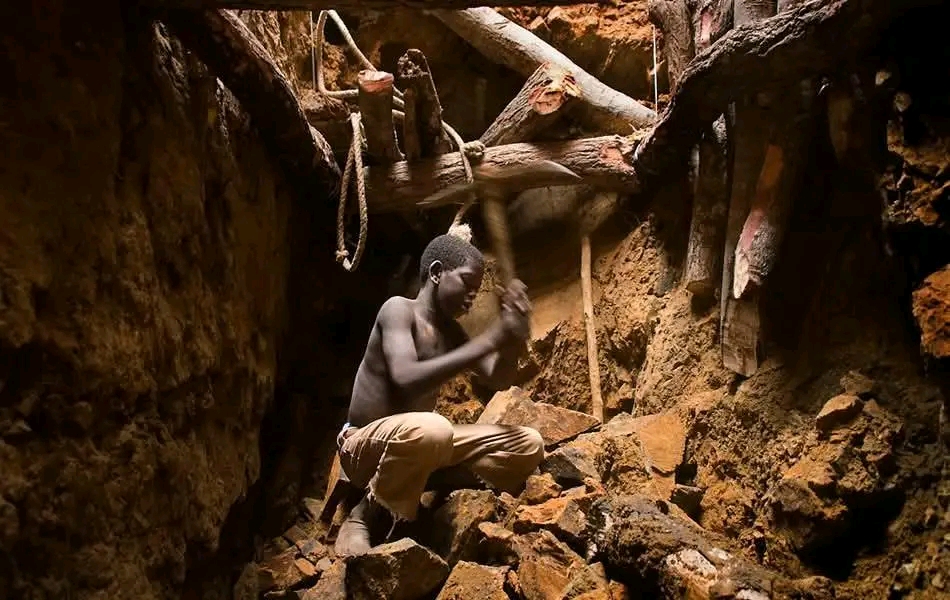
For EHF, though, the tragedy is a symptom of a wider, unresolved problem. The foundation said establishing the ages of the 37 deceased is critical, given how well-documented child labour is in mining communities across the state.
It called on authorities to verify and publish the identities and ages of all those who died as part of a credible, independent investigation, one it said should not be substituted by the NSCDC’s internal probe alone.
The foundation also called for the publication of the findings of medical examinations and autopsies once the scientific cause of death has been established.
Agbadu-Adu said the Wushishi-Lukoto corridor, where the fatal incident took place, is exactly the kind of mining-affected community where children remain at risk, and argued that enforcement against illegal mining, however necessary, cannot by itself resolve the conditions pulling vulnerable children into the sites.
“We have withdrawn children from several mine sites in Niger State with our own hands. We know what it takes to prevent this. What we are seeing in Minna is not just a custodial tragedy—it is a reminder of what happens when that work is not scaled to every mining community in this state,” she reiterated, calling for stronger investment in education, child protection and household livelihoods to accompany any crackdown on illegal mining.
The foundation argued that enforcement operations against illegal mining, while necessary, could not by themselves eliminate the conditions driving vulnerable children and families into mining, and said the Minna incident reinforces the case for scaling this kind of community-level intervention across Niger State’s mining-affected communities, including the Wushishi-Lukoto corridor.
It said it remains open to supporting, partnering on, or replicating similar interventions wherever they are needed, whether led by EHF or in collaboration with other organisations and development partners already active in the space, and called on the federal and Niger State governments, development partners, private-sector organisations and other stakeholders to invest in this kind of work at scale.
EHF also called for stronger detention standards and independent oversight of NSCDC holding facilities in Niger State to prevent avoidable deaths in government custody, and urged accountability for any negligence, overcrowding, extortion or human-rights violations established by the investigation.
Even as it pressed for accountability over the Minna deaths, EHF was careful to note that allegations from grieving family members, that detainees were held in overcrowded cells, denied food, and that relatives were asked for payment to secure their release, remain unverified accounts pending the outcome of the inquiry, not established facts. It said allegations should not be treated as established facts before the inquiry is concluded.
“We remain ready to share the results and lessons from our earlier intervention with organisations seeking to combat child labour and expand education and livelihood opportunities in mining communities,” the foundation said.
It expressed solidarity with the families of the 37 deceased and urged the authorities to ensure that investigations into the incident were credible, independent and unhindered.